Please start this bird anatomy series with post #403, March 10.

Sculpture is the study of a thousand silhouettes.
- Rodin
In sculpture, the subject represented is the positive shape. The empty space around the subject is the negative shape.
The viewer usually does not think about or consider the shape around the sculpture.
The sculptor, however is constantly aware of both the positive and negative shapes
as they are a device for designing and organizing the sculpture.

The sculptor should practice designing and seeing in this way, and here's how to do it:
Select a sculpture of an animal and direct your gaze intently on the figure itself.
Choose a sculpture with a quiet and simple pose.
Then, concentrate on the negative shapes or the space surrounding the sculpture.
You must wait until your vision accepts the negative shape and think of it as a totally separate form.

Now, imagine that the sculpture vanishes. What is left? You will find that the negative shapes have
become distinctive shapes in their own right, and if you focus on these shapes, they become forms.
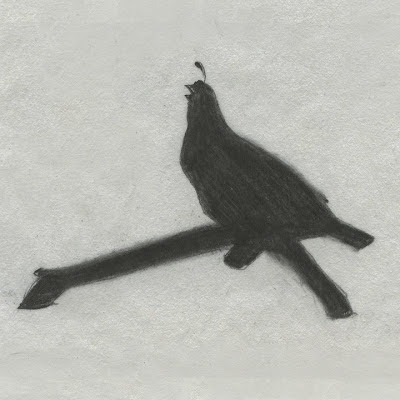
The sculpture that you are looking at has drawn you into it visually and almost physically.
The realization of negative shapes adds a new dimension to the image before you, adding to
your appreciation of its beauty and content.
Below, look at the lighted sculpture and practice seeing the negative shapes around the subject.
 Height of Land
 Shade of Paradise
 Cochin China
 Gamble's Sunset

Sculpture is the study of a thousand silhouettes.
- Rodin
In sculpture, the subject represented is the positive shape. The empty space around the subject is the negative shape.
The viewer usually does not think about or consider the shape around the sculpture.
The sculptor, however is constantly aware of both the positive and negative shapes
as they are a device for designing and organizing the sculpture.

The sculptor should practice designing and seeing in this way, and here's how to do it:
Select a sculpture of an animal and direct your gaze intently on the figure itself.
Choose a sculpture with a quiet and simple pose.
Then, concentrate on the negative shapes or the space surrounding the sculpture.
You must wait until your vision accepts the negative shape and think of it as a totally separate form.

Now, imagine that the sculpture vanishes. What is left? You will find that the negative shapes have
become distinctive shapes in their own right, and if you focus on these shapes, they become forms.

The sculpture that you are looking at has drawn you into it visually and almost physically.
The realization of negative shapes adds a new dimension to the image before you, adding to
your appreciation of its beauty and content.
Below, look at the lighted sculpture and practice seeing the negative shapes around the subject.


For more information about negative space see previous post, #434.
All drawings and sculpture copyright Sandy Scott.
All drawings and sculpture copyright Sandy Scott.


